If you live in an older home in Chelmsford, it’s quite common to find a radiator that’s warm at the top but stubbornly cold at the bottom. This uneven heating can be frustrating, especially when you’re paying for heating that isn’t fully warming your room. Often, this problem signals issues like sludge build-up or poor circulation inside the radiator, which can reduce your heating efficiency and increase energy bills. Fortunately, understanding the causes and simple checks can help you decide whether you can fix it yourself or need a professional’s help.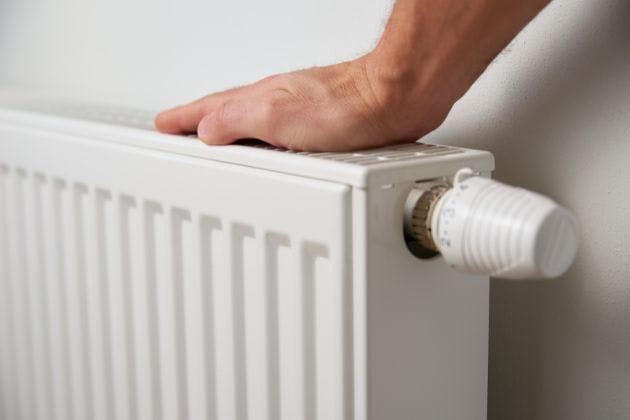
Understanding a radiator is cold at the bottom
When a radiator is hot at the top and cold at the bottom, it usually points to a circulation problem inside the radiator rather than an issue with the boiler itself. In most cases, hot water is entering but not flowing freely through the lower section.
This is often caused by sludge, rust and debris building up over time. As heavier material settles at the bottom, it creates a barrier that stops hot water reaching the whole panel, so you lose efficiency and comfort.
Main causes of a cold-bottom radiator
A few common issues are behind most cases of radiators that are only heating at the top. Understanding them helps you decide what you can safely attempt and when professional help is the sensible choice.
Sludge build-up: Rust, dirt and scale form a thick layer at the bottom of the radiator.
Trapped debris: Bits of corrosion or limescale clog narrow points and restrict water flow.
Poor circulation: The pump or pipework is not moving hot water effectively through the system.
Balancing issues: Some radiators grab most of the flow while others barely get any.
Air in the system is another thing people often suspect. However, air usually makes a radiator cold at the top and warm at the bottom, which is the opposite of this fault. That detail is important when you are fault-finding.
Checks you can safely do yourself
Before you call out an engineer, there are a few straightforward checks you can carry out around your radiators. These are all outside the boiler casing, so they are safe for a competent homeowner to try.
Step 1: Compare all your radiators
Turn the heating on and allow the system to run for at least 20 to 30 minutes. Walk around your home and gently feel each radiator from top to bottom, taking care not to burn yourself.
Make a note of which radiators are hot all over, which are cold at the bottom, and whether any are completely cold. If several radiators share the same problem, it suggests a system-wide issue such as sludge or poor circulation.
Step 2: Check TRVs and lockshield valves
Every radiator has two valves. One is usually the temperature control or TRV at the front, and the other is the lockshield valve, often with a cap that hides the adjustment spindle.
First, set the TRV fully open, usually at the highest number. Then make sure the lockshield is open by carefully removing the plastic cap and checking that it has not been turned fully shut. Only turn it a small amount at a time to avoid upsetting the system balance.
Step 3: Bleed only if there is air
If the top of the radiator is cooler than the middle, that is when bleeding can help. Use a radiator key to slowly open the bleed valve at the top until air hisses out, then close it as soon as water runs smoothly.
With a cold-bottom radiator, bleeding usually makes little difference, as the main problem is sludge and not air. It is still useful to know that air causes cold-at-top issues so you can recognise the difference.
When sludge and debris are to blame
If the valves are open and other radiators are working well, thick sludge in the bottom of the radiator is the most likely culprit. You may even notice brown or black water if you have bled a radiator in the past.
In some cases, a single problem radiator can be removed and flushed outside, but this involves draining part of the system, handling dirty water and correctly refitting the unit. Many homeowners prefer to leave this to a professional heating engineer.
Power flushing and inhibitor treatment
When several radiators are affected, a power flush is often recommended. This uses specialist equipment to push cleaning chemicals and water through the system at speed to break up and remove sludge.
After a thorough clean, your engineer will usually add a corrosion inhibitor to the heating water. This helps slow down future rusting and keeps the system running more smoothly for longer.
Balancing and circulation issues
If the bottom-cold radiators are at the far end of the system or on upper floors, balancing could be the issue. Balancing involves adjusting the lockshield valves across all radiators so hot water is shared evenly.
A Gas Safe heating engineer will use temperature readings and methodical adjustments to balance the system. This can make a big difference to comfort levels, especially in homes where some rooms are always cooler than others.
What you should not attempt yourself
You should never remove the boiler casing or alter anything inside the boiler. Modern boilers contain gas and combustion parts that must only be worked on by a registered Gas Safe engineer.
Likewise, do not attempt to change pump settings, dismantle valves or perform a full system flush without the right training and equipment. Unsafe work can lead to leaks, damage or, in the worst case, serious safety risks.
Preventing radiators going cold at the bottom
Once your radiators are heating evenly again, a bit of regular care will help keep the system healthy. This not only maintains comfort but can also keep running costs lower.
Annual boiler service: Keeps the boiler running efficiently and checks key safety features.
System inhibitor: Protects pipework and radiators from internal corrosion and sludge.
Magnetic filter: Captures rust particles before they build up inside radiators.
Occasional system health checks: A heating engineer can spot circulation problems early.
These measures are especially helpful in older heating systems that have been extended or altered over time, as they are more prone to sludge and flow issues.
Need a Gas Safe engineer to look at your radiators?
If your radiator is still cold at the bottom after the simple checks above, it is time for a professional diagnosis. A qualified heating engineer can confirm whether sludge, balancing or a circulation problem is to blame and recommend the safest fix.
He@Heating Ltd are on hand to inspect your system, carry out power flushing where needed, and get your heating running efficiently again. To book a diagnostic visit, call 07956575049 or get in touch via our boiler repair and central heating services pages.
EndFragment